

What to Do When Your Car Gets Towed in California

Has your car been towed? What are the next steps? In addition to consulting your auto insurance agent, there are several important steps to take — things to do or avoid — to get your vehicle back as quickly and smoothly as possible.
In California, towing is governed by the California Vehicle Code (CVC), specifically Section 22651 for public property and Section 22658 for private property pursuant to state law. Both law enforcement and private property owners have the authority to tow motor vehicles that are illegally parked or considered abandoned vehicles. Local authorities, such as police or city officials, can order the towing and impoundment of motor vehicles to enforce parking and traffic regulations, sometimes without prior notice in certain situations.
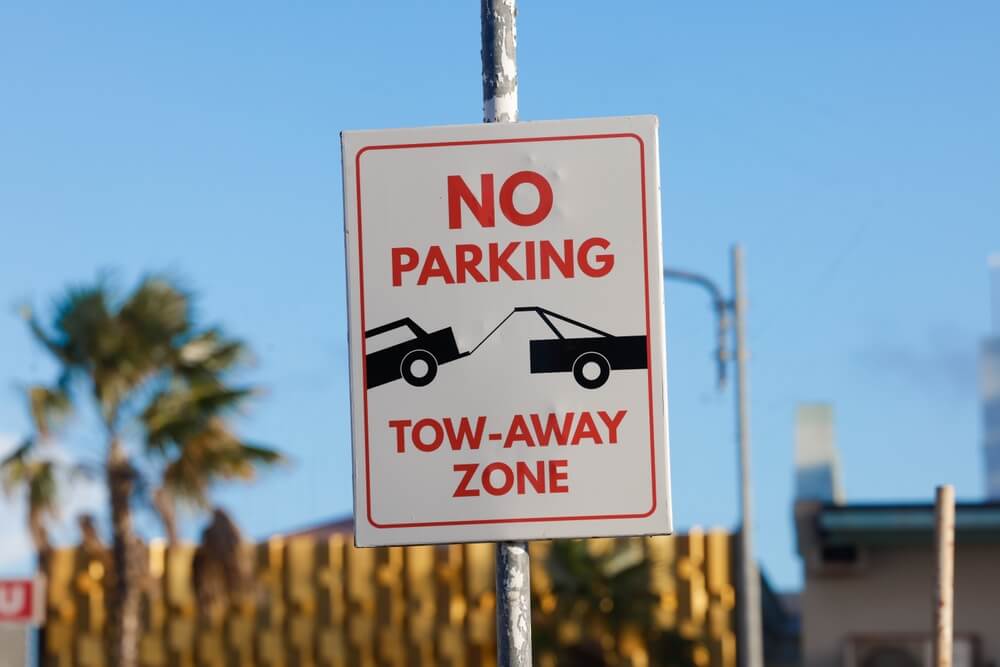
Private property owners must post clear signage (at least 17”x22” at every entrance) indicating that unauthorized vehicles will be towed, in order to comply with the law and avoid liability. If a vehicle is towed from private property without proper signage or notification, the property owner may be liable for double the towing and storage fees.
Maybe your car was towed after a police stop, or while you were waiting for roadside assistance, or you returned to a parking space only to find your vehicle missing. Parking laws and posted signs on private property play a key role in whether a vehicle can be towed. Whatever the cause or circumstances, your car’s been towed. Now what?
Here are the 6 essential steps to consider when your car is towed. The registered owner is typically responsible for reclaiming the vehicle and paying any associated towing and storage fees.
1. Find Out Why Your Car Was Towed by Local Law Enforcement
Common Reasons for Towing
If your car gets towed as a result of a traffic stop, the police officer should inform you immediately why they’re taking this action. Common reasons include driving with a suspended license, driving under the influence (DUI), or not having at least liability auto insurance. Law enforcement agencies—including the California Highway Patrol and local police—can also tow vehicles for parking violations, such as parking in a disabled parking space, blocking a private driveway or fire lane, parking in front of a fire hydrant, or if the vehicle is illegally parked or obstructing traffic.
Additionally, vehicles with unpaid parking tickets—especially those with five or more notices—can be towed or impounded. If a vehicle is parked illegally in restricted areas or in violation of posted signs or laws, it may be towed immediately without prior notice. If your vehicle is taken without your permission, it may be classified as a stolen vehicle, and you should file a stolen vehicle report with law enforcement.
You can avoid towing by ensuring your vehicle is not blocking driveways or fire hydrants.
When Your Car Disappears Without Notice
If you simply leave your car parked and return to find it gone, you may need to do some detective work. Vehicles parked in violation of posted signs or parking laws may be towed without prior notice.
Look for no-parking signs, painted curb markings, or other parking restrictions you might have missed. Note your license plate number, as you will need this information to identify your vehicle when contacting authorities.
Also, have your vehicle description and vehicle identification number (VIN) ready, as these details help authorities locate your vehicle. License plates are used to verify vehicle ownership and identity during the towing and impoundment process.
How to Locate Your Vehicle
If you cannot determine why your vehicle was towed, call the non-emergency number of your local police department or the California Highway Patrol. Provide your license plate number to help them locate your vehicle and inform you if it was towed due to a parking violation or other reasons. If you still have no answers and believe your vehicle was not towed for a parking violation, consider reporting your car as stolen.
Where Is My Car?
Signs near the location where your car was parked or at nearby intersections often provide information about where to find impounded vehicles, including phone numbers and addresses of impound lots.
Storage services for towed vehicles are provided by licensed facilities, which are responsible for the safekeeping and release of impounded vehicles. If a police officer tows your vehicle, ask where it is being taken and what you need to do to retrieve it.
2. Stay Calm and Prepare to Act
Why Staying Calm Helps
It’s natural to feel frustrated or angry when your car is towed, especially when you consider the potential costs. However, staying calm is crucial. Aggressive behavior towards law enforcement or tow operators can lead to additional legal troubles, fines, or even arrest. Keeping a clear head will help you navigate the process efficiently.
Gather Necessary Documentation
Before contacting the impound lot, gather all necessary documents such as your driver’s license, vehicle registration, proof of insurance, and any documents proving you are the legal owner of the vehicle, like your car title.
Only the owner of the vehicle or her agent (owner’s agent claiming authorization) can retrieve the vehicle, so if you are not the registered or legal owner but are authorized to retrieve the vehicle, have a written authorization from the owner ready. The owner of the vehicle, or their agent, must provide proper documentation and authorization to claim the vehicle from the impound lot.
You might want to read: What happens if you drive without insurance in California?
3. Contact the Impound Lot and Understand Towing and Storage Fees
How to Contact the Impound Lot
Once you know where your vehicle is stored, call the impound lot or storage facility. Ask about their hours of operation, payment methods, and documentation required for vehicle release. Towing and storage facilities in California must comply with the Business and Professions Code regarding proper licensing and procedures for vehicle removal and release.
Towing and Storage Charges
Towing and storage fees in California can vary widely and may amount to hundreds or even thousands of dollars, depending on the jurisdiction and circumstances. Typical charges include:
- Tow fees (for the actual towing service)
- Daily storage fees (charged per day the vehicle remains impounded)
- Administrative fees
- Gate fee (may be charged for after-hours vehicle release)
- Transfer charges (if applicable)
There is no statewide maximum fee that towing companies can charge; individual law enforcement agencies set the rates for their jurisdictions.
In cities like San Francisco and Los Angeles, where drivers already face some of California’s highest car insurance costs, there may also be a separate administrative fee ranging from $200 to $350. It’s important to ask for an itemized invoice detailing all charges before making payment. By law, towing companies must provide this invoice to the vehicle owner or their agent before payment is required.
Payment Methods and Your Rights
Impound lots generally accept cash, valid bank credit cards, and cashier’s checks. Tow operators cannot require cash only. They must have sufficient funds on premises to make change for reasonable monetary transactions. You also have the right to retrieve your personal property from the vehicle at no charge during normal business hours. If you return to your vehicle before it has been towed away, the tow operator must release it immediately but may charge up to half the regular tow fee.
4. How to Dispute an Illegal Tow from Private Property in California
When Can You Contest a Tow?
If you believe your vehicle was wrongfully towed, you have the right to request a post-storage hearing (also known as a tow hearing) to contest the validity of the tow. This hearing allows the owner or their authorized agent to review whether the tow was justified under California Vehicle Code. The city attorney may be involved in legal proceedings or provide guidance regarding vehicle impoundment disputes.
Steps to Contest the Tow
- Request the post-storage hearing within 10 days of the tow.
- Gather evidence to support your claim, such as photographs of faded or obscured no-parking signs, or evidence that your vehicle was legally parked.
- Attend the hearing and present your case.
If the hearing outcome is unfavorable, you may file a complaint against the towing company in small claims court.
Important Considerations
Only photographic or otherwise verifiable evidence counts in court. Avoid wasting time and money pursuing claims without solid proof.
5. Inspect Your Vehicle for Damage After the Tow
What to Look For
When you retrieve your vehicle, inspect it thoroughly for damage caused by the tow or while in storage. Check the exterior and interior, including the trunk, for any missing or damaged items.
Documenting Damage
Take clear photographs of any damage or missing property. If damage was caused by an intentional or negligent act by the towing company or storage facility, you may be entitled to compensation.
Filing a Claim
Filing a claim against the towing company can be challenging, but you may also consider filing a claim with your auto insurance provider. Contact your insurance agent promptly to discuss coverage options and get ready for some of the situations that you can expect when you file an insurance claim.
6. Contact Your Auto Insurance Agent
Contacting your auto insurance agent promptly after your car has been towed is an important step in managing the situation effectively. Your agent can provide valuable guidance on coverage options for towing fees, impound costs, and any damages your vehicle may have sustained during the towing or storage process.
Why Contact Your Insurance Agent?
Your auto insurance agent can advise you on coverage for towing fees, impound fees, or damages sustained during towing or storage. They can also help if you need to transition to SR-22 insurance after a DUI or other driving-related offenses.
Getting Proper Coverage
If you don’t currently have insurance, you may not be able to retrieve your impounded vehicle. Your agent can help you find affordable coverage that meets California’s minimum requirements.
Get Affordable Car Insurance in California
Call Cost-U-Less at (800) 390-4071 for affordable car insurance. Or get a quick online quote for car insurance. We also invite you to find a Cost-U-Less location near you and talk to an independent insurance agent at your convenience.
Frequently Asked Questions (FAQs)
How Much Does It Cost to Get Your Car Out of Impound in California?
Costs vary by location and situation but typically include towing fees, storage fees (charged daily), administrative fees, and possible transfer charges. Fees can range from a few hundred to several thousand dollars, especially if the vehicle is stored for an extended period.
How Long Does California Have to Notify You of a Tow?
Towing companies are required to notify the local law enforcement agency within 30 to 60 minutes after a vehicle is towed. For private property tows, notification to the local law enforcement agency must occur within one hour of the tow. Failure to notify on time can result in civil liability for the towing company.
How Long Do You Have to Pick Up Your Car from the Impound Lot in California?
You have 30 calendar days to reclaim your vehicle from the impound lot. After this period, the vehicle may be sold at auction, and you may be liable for any remaining balance owed to the towing company.
Can Someone Other Than the Registered Owner Retrieve the Vehicle?
Yes, a person other than the registered owner can retrieve the vehicle if they have written authorization from the owner (owner’s agent claiming authorization) and provide valid identification along with proof of ownership.
What Are My Rights if My Car Is Towed Illegally in California?
You have the right to request a post-storage hearing to contest the tow, and if the tow is found to be illegal, you may recover some or all of the towing and storage fees. You may also file a complaint or take legal action in small claims court.
Can I Pay for Towing and Storage Fees with a Credit Card?
Yes, towing companies and storage facilities must accept valid bank credit cards and cash. They cannot require cash only for payment.

