

What Happens to Unsold New Cars at Dealerships?
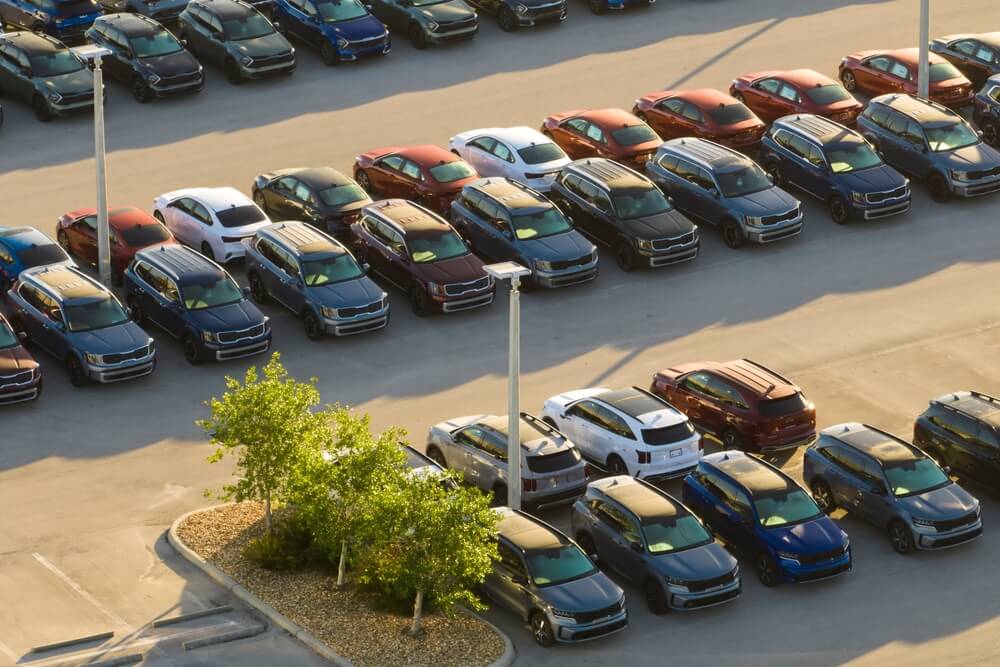
What happens to unsold new cars? Most stay on the dealer lot at first while the dealership tries to move them with price cuts, special incentives, or by putting them into loaner service. If they still do not sell, dealers often transfer them to other stores or send them to auction to avoid carrying too much inventory.
After you buy a new vehicle and give it proper car insurance, most people drive it home and simply take a few pictures to make everyone on social media jealous. However, driving home means leaving plenty of cars behind, and that has caused many drivers to wonder what happens with these unwanted automobiles and whether they can buy one for less.
You will see why dealerships end up with unsold new cars, which myths about “leftover” inventory are not true, how dealers actually price and move these vehicles, and where auctions fit into the process. If you are trying to avoid overpaying, spot a dealer that is motivated to sell quickly, and keep total ownership costs down with affordable California car insurance, this guide will help you shop smarter.
Why Do Dealerships End Up with Unsold New Cars?
What happens to unsold cars? Countless drivers have asked this question over the years. To really understand the answer, you first need to understand how automobiles end up at the dealership in the first place.
What is the rocky road to the dealership lot like, and what is the reality behind these unsold new cars? Below, you’ll find an answer to these questions and more.
The Road to the Dealership Lot
Most automobile manufacturers do not sell their own vehicles. Instead, they sell the car to dealers who, in turn, try to sell the car to buyers like yourself. Dealerships are highly incentivized to sell all of their stock to make a profit and make room for new vehicles. This is why you may be able to negotiate a good deal for cars that have been on the lot for a very long time.
Common Myths About Unsold New Cars
One common misconception is that unsold new cars simply stay at the same dealership until someone buys them. Dealers may first try discounts or incentives, but they can also move aging vehicles into loaner or demo service, transfer them to another dealership, or use wholesale channels.
How Dealerships Try to Sell Unsold Inventory
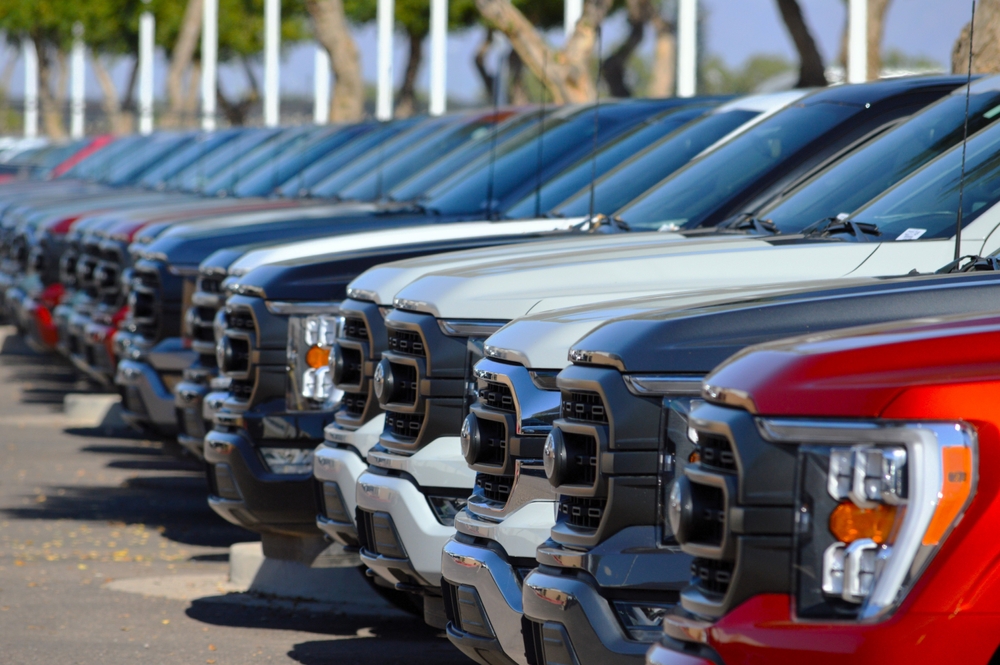
Dealerships have several ways to move new cars that have been sitting on the lot. They may lower the price, offer incentives, transfer the vehicle to another dealership, or use other strategies to find a buyer.
How a dealer handles unsold inventory can depend on local demand, the time of year, and how long a vehicle has been sitting. Here’s a closer look at some of the most common approaches.
Price Adjustments and Incentives for Buyers
Dealers may start by lowering the asking price or offering incentives to attract a buyer. Aging inventory can create financing and other carrying costs, which may give a dealership more reason to make a deal. For price-conscious shoppers already thinking about expenses such as wasting money on gas, older inventory may be worth watching for discounts.
How Unsold Cars Eventually Find Buyers
Dealers can move vehicles between locations when a particular model, trim, or configuration may have stronger demand elsewhere. A car that has been sitting at one dealership may be a better fit for shoppers in another market. These transfers help dealers manage inventory and can give shoppers looking for the best new vehicles in California access to different options.
What Happens to New Cars That Never Sell
When a new vehicle remains unsold, a dealership may eventually move it through a dealer trade, transfer, loaner or demo program, or wholesale auction.
Dealer Exchanges and Trade Networks
Exchanges and trade networks exist so that dealers can sell or trade unsold brand-new cars with one another. By themselves, these dealerships would each have an unsold new car graveyard. Working together, they can move vehicles across markets when a model line, body style, or configuration is more likely to sell elsewhere, such as SUVs that perform better in one area than another.
How Car Auctions Work for Unsold Inventory
If a dealer can’t sell or transfer an aging vehicle, a wholesale auction may be another option. Dealers may also discount the vehicle further or put it into loaner or demo service, depending on their inventory strategy.
Wholesale auctions are generally part of the dealer inventory pipeline rather than a guaranteed direct-buying opportunity for consumers. If you’re finding a car for your California commute, it may be more useful to watch retail listings and ask local dealers about older inventory they’re motivated to move.
Get Affordable Car Insurance in California Today
If you’re shopping for a new or used car, it’s also a good time to review your insurance options. Cost-U-Less helps California drivers compare car insurance coverage and rates. Call us at (800) 390-4071, get a car insurance quote online, or find a Cost-U-Less office near you.
Frequently Asked Questions About Unsold New Cars
What do car dealerships do with unsold new cars?
Dealers may use discounts, manufacturer incentives, dealer trades, loaner or demo programs, and wholesale auctions to manage vehicles that remain unsold. The approach depends on the vehicle, local demand, and the dealership’s inventory strategy. A vehicle’s status after use as a demo or loaner can vary, so shoppers should check its mileage, history, warranty details, and sale terms before buying.
Can you buy unsold new cars at a discount?
Yes, some aging inventory may be discounted, especially when dealers are trying to make room for newer vehicles. Rebates and other incentives may also be available, depending on the model and manufacturer. Discounts vary, so compare the asking price, available incentives, mileage, warranty details, and total cost before deciding whether an older new vehicle, demo, or loaner is a good value.
How long can a dealership keep an unsold new car?
Dealers generally prefer not to keep new vehicles on the lot for long because carrying costs can increase over time. How long a particular car remains unsold depends on factors such as demand, model, configuration, local market conditions, and the dealership’s inventory strategy. Older inventory may eventually be discounted, transferred to another dealer, used as a loaner or demo vehicle, or moved through wholesale channels.
Do manufacturers buy back unsold cars from dealerships?
Manufacturers generally do not take back unsold vehicles as a routine part of the sales process. Dealers are typically responsible for managing aging inventory, while manufacturers may offer incentives or rebates that help move certain vehicles. Specific programs and arrangements can vary by automaker and dealership.
Are unsold new cars sold at auctions?
Yes. When a dealer can’t sell or transfer an aging vehicle, it may go to a dealer-only wholesale auction. Some auctions are open to authorized dealers across brands, while others are limited to dealers within a particular manufacturer network. Auctions help dealerships move aging inventory and reduce ongoing carrying costs.