

How To Insure a Car Not in Your Name California

Key Takeaways
- In California, you usually need “insurable interest” to insure a car that is not legally yours. That means you have a real financial or legal connection to the vehicle.
- If you regularly drive a family member’s, partner’s, roommate’s, or friend’s car, the safest option is often to be added as a listed driver on the owner’s policy.
- Non-owner car insurance can help if you do not own a vehicle but occasionally borrow or rent cars, or if you need liability coverage tied to you as a driver.
- Non-owner insurance usually does not cover damage to the vehicle you are driving, so it is not a replacement for full coverage on a financed or leased car.
- California’s current minimum liability insurance requirements are 30/60/15, but many drivers may benefit from higher limits.
Can You Insure a Car That’s Not in Your Name in California?
This is one of the most common questions California drivers ask when they regularly use a vehicle that belongs to someone else. Maybe you drive your parent’s car to work, use a partner’s financed vehicle, borrow a friend’s car several times a week, or rely on a car that is titled to another person.
The short answer is: yes, it may be possible. But in most cases, you cannot simply buy a standard auto insurance policy for a vehicle you do not own unless you can show a real connection to that car.
Insurance companies want the policy to match the real-life situation. They need to know who owns the vehicle, who drives it, where it is kept, how often it is used, and who could lose money if something happens. That is where the concept of insurable interest comes in.
The best solution depends on several details: whether you live with the owner, whether the car is financed or leased, how often you drive it, and whether you need liability coverage, full coverage, or an SR-22 filing.
Understanding Insurable Interest in California
Insurable interest means you have something real to lose if the vehicle is damaged, stolen, totaled, or involved in an accident. Without that connection, most insurers will not issue a traditional auto policy in your name for that specific car.
This rule helps prevent fraud and keeps insurance tied to real financial risk. For example, if someone could insure a random vehicle they do not own or use, they might benefit from a claim even though they had no legitimate stake in the car.
Examples of insurable interest may include:
- You are listed on the title, registration, loan, or lease.
- You co-signed the auto loan and are legally responsible for payments.
- You live with the vehicle owner and drive the car regularly.
- You pay for maintenance, repairs, or insurance.
- You rely on the vehicle for work, school, or daily transportation.
If you cannot show insurable interest, you may still have options. You might be added to the owner’s policy, become a co-owner, or consider non-owner insurance if you only borrow cars occasionally.
How Insurance Usually Follows the Car in California
In California, the primary auto insurance policy usually follows the vehicle, not the driver. That means if you borrow someone’s insured car with permission and cause an accident, the owner’s policy is often the first coverage reviewed.
But this does not mean every driver is automatically fully covered. Occasional use is different from regular use. A friend borrowing your car once is not the same as a roommate driving it every weekday to commute.
Here is the basic idea:
| Situation | What Usually Happens |
| You borrow a car once in a while | The owner’s policy may provide primary coverage, depending on policy terms |
| You drive the car regularly | The insurer may expect you to be listed on the policy |
| You are not disclosed as a regular driver | A claim could be delayed, limited, or denied |
| You also carry non-owner insurance | It may provide secondary liability coverage in some situations |
Cost-U-Less explains this issue more directly in its guide to driving a friend’s car in California, especially how coverage may change when someone else drives your vehicle.
Common Situations: Insuring a Car Not in Your Name
Several common scenarios illustrate when and how you might insure a car not registered in your name in California. Understanding these situations can help you choose the right insurance coverage and avoid gaps.
One frequent case is when you regularly drive a family member’s car. In these situations, insurers generally require you to be added as a listed driver on the owner’s car insurance policy. This ensures the insurance provider accurately assesses the risk based on your driving history and provides appropriate liability protection.
Another common scenario involves borrowing a friend’s vehicle occasionally. If your use is infrequent, the owner’s insurance typically provides primary coverage, and you may consider purchasing non-owner insurance for secondary coverage. Non-owner insurance offers liability protection when driving vehicles you do not own but does not cover damage to the vehicle itself.
For those driving company or work vehicles, coverage usually comes from the employer’s commercial auto insurance. However, it’s important to verify whether personal use or commuting is covered under that policy.
Lastly, if you frequently rent cars or do not own a vehicle but drive often, non-owner car insurance can be a practical solution. It provides liability coverage to keep you compliant with California’s insurance laws and protects you in the event of an accident.
Each of these situations depends on several factors, including vehicle ownership, driving frequency, and insurance coverage limits. Consulting with a knowledgeable car insurance agent can help you navigate the options and find the best coverage for your needs.
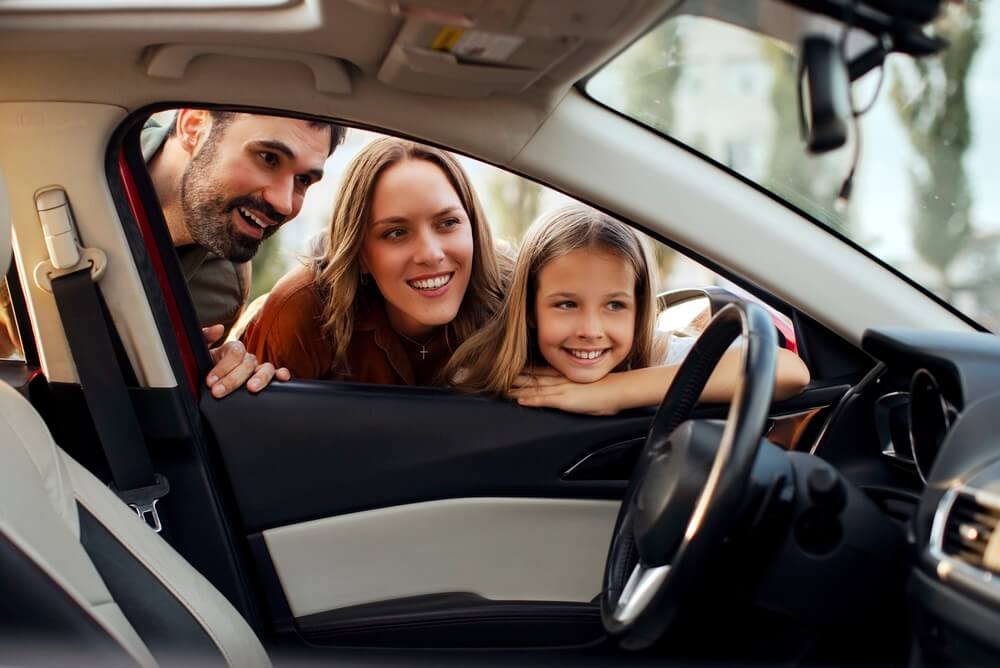
Driving a Family Member’s Car You Don’t Own
If you live with a family member and regularly drive their car, most insurers will want you listed on the owner’s policy. This is common for adult children, spouses, partners, siblings, and sometimes roommates who share a household vehicle.
Being listed as a driver helps the insurance company price the policy correctly. Your age, driving record, ZIP code, and past claims may affect the premium, but it also helps prevent a bigger issue later: a claim investigation where the insurer learns that a regular driver was never disclosed.
If you are only visiting and borrow a relative’s car occasionally, the answer may be different. For example, a cousin using a car for one weekend is not the same as a household member using it every day. Cost-U-Less has a helpful explanation of how coverage can differ for occasional versus frequent family drivers.
Using a Financed or Leased Car Titled to Someone Else
Financed and leased vehicles need extra care because a lender or leasing company also has a financial interest in the car. The titled owner or lessee usually needs a standard policy that includes the required coverage, often including collision and comprehensive coverage.
If your partner or family member financed the vehicle in their name but you are the main driver, a common solution is to add you as a listed driver on their policy. In some cases, the insurer may also allow both people to appear on the policy if there is a clear financial connection.
A non-owner policy usually will not work for this situation. It does not insure the physical vehicle and will not satisfy a lender that wants the car itself protected.
Borrowing a Friend’s Car Regularly
Occasionally borrowing a friend’s insured car may be covered under permissive use, depending on the policy. But if you drive that friend’s car several days a week, the insurer may treat you as a regular driver.
This matters because regular drivers should usually be disclosed. If you are not listed and an accident happens, the insurance company may question whether the vehicle’s real use was misrepresented.
If you do not live with the owner and only borrow cars from time to time, a non-owner policy can sometimes provide extra liability protection. However, it will not pay for damage to the borrowed car.
Driving a Company or Work Vehicle
If you drive a company-owned vehicle for work, the employer’s commercial auto policy usually provides primary coverage. Still, you should ask whether personal errands, commuting, or after-hours use are covered.
If you use a personal car for work, such as deliveries, client visits, or jobsite travel, a personal policy may not be enough. You may need a business-use endorsement, rideshare coverage, or commercial auto insurance.
Non-Owner Car Insurance in California
Non-owner car insurance covers you as a driver, not a specific vehicle. It is usually liability-only coverage, which means it may help pay for injuries or property damage you cause to others in a covered accident.
This type of policy may make sense if you:
- Rent cars often.
- Borrow cars occasionally from people outside your household.
- Need an SR-22 filing but do not own a car.
- Sold your car and want to avoid a gap in coverage.
- Want liability protection while driving vehicles you do not own.
Cost-U-Less explains that non-owner coverage can be useful for people who are between vehicles or temporarily using someone else’s car, but it is not the same as a full coverage policy.
Non-owner insurance generally does not cover:
- Damage to the vehicle you are driving.
- Collision or comprehensive claims.
- Vehicles available for your regular use.
- Cars owned by people in your household, depending on the carrier.
- Business or delivery driving, unless specifically covered.
This is where many drivers get confused. A non-owner policy can help with liability, but it does not replace the owner’s insurance and does not protect the vehicle itself.
Who Should Consider Non-Owner Coverage?
Non-owner insurance is best for drivers who do not own a car and do not have regular access to one specific vehicle.
| Driver Situation | Why Non-Owner Coverage May Help |
| You rent cars often | It may provide liability coverage beyond relying only on rental options |
| You borrow cars occasionally | It can add liability protection when the owner’s limits are not enough |
| You need SR-22 but do not own a car | It may help meet filing requirements without insuring a specific vehicle |
| You are between cars | It can help avoid a lapse in insurance history |
If you rent vehicles often, it is also worth reviewing how rental car coverage works in California. Rental agreements, credit card benefits, optional rental coverage, and non-owner insurance can interact in different ways.
For drivers who need an SR-22, non-owner coverage may also be an option when they do not own a vehicle. Also, remember there are ways to save money on SR-22 insurance if this applies to your situation.
California Liability Insurance Requirements
California’s minimum liability insurance requirements changed in 2025. The current minimum limits are:
| Coverage Type | Minimum Required Limit |
| Injury or death to one person | $30,000 |
| Injury or death to more than one person | $60,000 |
| Property damage | $15,000 |
These limits are often written as 30/60/15. Liability insurance pays others when you are responsible for injuries or property damage. It does not pay to repair your own car.
Minimum coverage may satisfy California law, but it may not be enough after a serious crash. Medical bills, repair costs, and legal claims can exceed the minimum quickly. If you regularly drive a car that is not in your name, it is worth asking whether higher liability limits make sense.
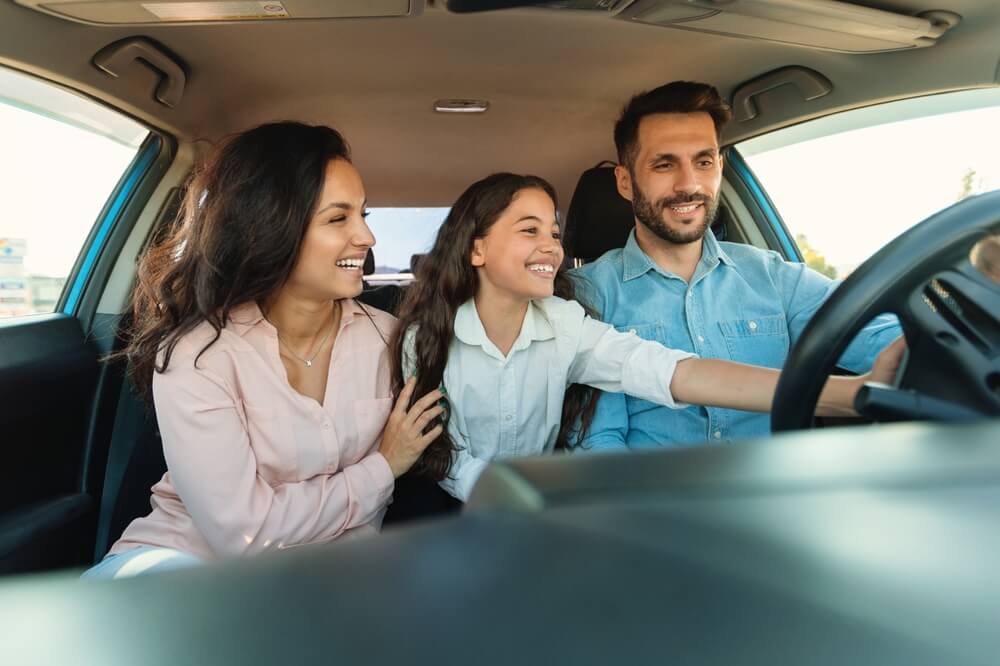
Options to Get Properly Insured
There is no single solution for every driver. The best option depends on how often you drive the car and your relationship to the owner.
Be Added as a Driver on the Owner’s Policy
This is usually the cleanest solution when you live with the owner or regularly drive the vehicle. The owner contacts the insurer, provides your driver information, and adds you as a listed or rated driver.
Your record may affect the premium, but this option helps make sure the policy reflects who actually uses the vehicle.
Become a Co-Owner or Co-Registrant
If you are financially responsible for the car or use it as your main vehicle, adding your name to the title or registration may help show insurable interest. This can make it easier to be listed as a named insured.
However, changing ownership can affect taxes, loans, liability, and legal rights to the vehicle, so it should not be done only for convenience.
Buy a Non-Owner Policy
A non-owner policy can be helpful if you do not own a car but occasionally borrow or rent vehicles. It may also help if you need an SR-22 filing without owning a vehicle.
This option is usually not appropriate for a car you use every day or one kept at your home.
Review a Joint Policy Option
Some carriers may allow a policy that includes both the title holder and the regular driver, especially if both have a financial connection to the vehicle. This depends on the insurer and the documentation available.
Mistakes to Avoid
The biggest mistake is assuming coverage works without checking the policy. Auto insurance depends on details, and those details matter most after an accident.
Avoid these common problems:
- Trying to buy a policy for a car you have no legal or financial connection to.
- Driving a household vehicle regularly without being listed.
- Relying on non-owner insurance for a car you use every day.
- Forgetting lender or lease requirements.
- Waiting until after an accident to fix the policy.
If the vehicle is financed or leased, remember that the lender usually wants the car itself protected. A non-owner policy will not provide that physical damage coverage.
How Cost-U-Less Can Help
Cost-U-Less helps California drivers sort through complicated auto insurance situations, including cars not in the driver’s name, non-owner policies, SR-22 filings, and high-risk driving records.
Because Cost-U-Less works with multiple insurance companies, an agent can help you compare options instead of forcing your situation into one carrier’s rules. That can be especially useful if you are trying to insure a car used by multiple household members, keep a financed vehicle properly covered, or avoid a lapse in coverage.
If you are not sure whether you can insure a car that is not in your name, do not guess. Explain who owns the car, who drives it, where it is kept, and how often it is used. Those details help determine the safest path.
Get the Right Coverage Before There’s a Claim
Driving a car that is not legally yours does not automatically mean you are uninsured. But it does mean your coverage needs to be set up correctly.
The safest approach is to be honest about who owns the car, who drives it, where it is kept, and how often it is used. We can help you compare coverage options and find a practical way to stay protected.
Get a car insurance quote online, call 800-390-4071, or visit a nearby Cost-U-Less office to speak with an agent about your exact situation.
Frequently Asked Questions
Can I Get California Car Insurance If My License Is Suspended but I Drive Someone Else’s Car?
Some carriers may allow non-owner policies with an SR-22 filing to help reinstate a suspended California license. However, insurance does not give you permission to drive while your license is still suspended.
You typically need to resolve the suspension with the DMV and maintain any required filing for the required period. Speak with an agent before assuming you can legally drive.
Can I Insure a Car in California If I Don’t Have a California Driver’s License?
Some insurers may accept an out-of-state or foreign license, but coverage options can be limited. Carrier rules vary, and you may need additional documentation.
Having an insurance policy does not automatically make it legal to drive without a valid license. If your licensing situation is unusual, ask an agent before relying on coverage.
Does Non-Owner Insurance Let Me Get Full Coverage on a Car I Drive Often?
No. Non-owner insurance is usually liability-only coverage. It does not provide collision or comprehensive coverage for the car you are driving.
If you drive the same vehicle often, especially if it is kept at your home or belongs to someone in your household, you usually need to be listed on that vehicle’s policy.
If I Pay for a Car but the Title Is in Someone Else’s Name, Can I Insure It?
Possibly. Paying for the loan, repairs, or insurance may help show insurable interest, but many insurers still prefer your name to appear on the title, registration, loan, or policy.
A joint policy or co-registration may be a cleaner option if you are the main driver and financially responsible for the vehicle.
Will Insuring a Car Not in My Name Affect the Owner’s Rates?
If you are added as a driver to the owner’s policy, your driving record can affect that policy’s premium. Tickets, accidents, DUIs, and claims may increase the cost.
If you carry a separate non-owner policy, your record affects your own policy. However, if you regularly drive the owner’s vehicle, the insurer may still expect you to be listed on that policy.