

Classic Car Insurance California: What You Need to Know
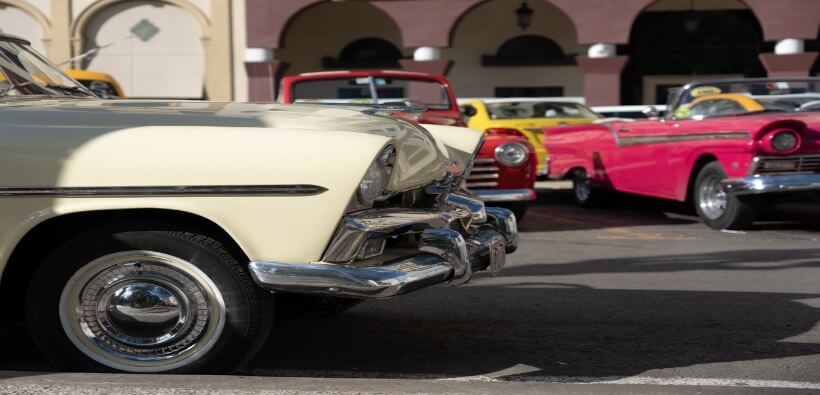
You put plenty of love and elbow grease into preserving your vintage automobile. However, do you know all the different ways you can protect it?
For instance, do you know the answer to the question, “When does a car become a classic for insurance purposes?” Classic car insurance might be a better fit than standard insurance for preserving your vintage vehicle.
Ready to show your prized possession more love than ever before? Keep reading to discover everything you need to know about what cars are considered classic in California.
What Is Considered a Classic Car in California?
Believe it or not, the debate about what cars are considered classic has been waging for decades. Some drivers believe it all comes down to the age. Others think it’s more about what kind of cultural impact the automobile has had on society.
Most insurers require a classic vehicle to be at least 25 years old and stored in a secure structure.
It’s a big debate with no clear answer in sight. Below, you’ll learn more about the different attitudes driving this argument, including what qualifies as a classic vehicle.
The Age Debate: How Old Is Old Enough?
How old does a car have to be to become a classic? Depending on who you talk to, it needs to be decades old. Some people think an automobile isn’t truly vintage until it’s been around for at least 50 years. On the other hand, some collectors believe vehicles that are only 10 years old should also be considered vintage.
Your carrier will decide exactly how old your automobile needs to be before you can get classic car insurance, though. In California, these vehicles generally need to be at least 25 years old for classic car insurance purposes. Beyond that, how old is “old enough” is still something collectors debate.
Style and Status: More Than Just a Number
In the eyes of some collectors, an automobile needs to be more than just old to truly be considered a classic. For example, many think it’s important to consider a vehicle’s historical and cultural importance. A 1967 Ford Thunderbird is considered a stylish design, but the 1958 Ford Edsel was considered an ugly flop even when it was new.
For many, collecting and restoring classic cars is more than just a status symbol—it’s a hobby that brings enthusiasts together through clubs, events, and a shared passion for these unique vehicles. In other words, while you may be able to get the state or your insurance company to designate your old vehicle as vintage, your fellow collectors may need some convincing. Whether their opinion matters is, of course, up to you.
Other Factors That Qualify a Car as a Classic
This guide already touched on the fact that many consider a vehicle’s style and status very important. Classic cars are often seen as an investment due to their rarity and desirability, making them valuable assets worth protecting. However, whether most people would dub a car “classic” or not goes beyond its age, style, and status. Below, you’ll find more details you may need to know regarding your automobile’s classification.
Classic car insurance is designed specifically for classic, antique, and exotic vehicles and covers far more than typical auto insurance policies.
Rarity and Desirability: The Collectability Aspect
Car collectors have one major thing in common with collectors of other memorabilia: They tend to value the rarest and trendiest items. Collectors are always looking for their next favorite classic, seeking out unique vehicles that stand out and impress others. Because of that, an automobile’s rarity, as well as how much the sight of it will impress others, plays into its cultural status.
A great example of this is the original DeLorean. For many collectors, finding your favorite classic can be a rewarding experience. Only around 9,000 of these vehicles were made, and this rarity, along with the popularity of the automobile in the Back to the Future films, makes this one of the most highly sought-after cars.
From Driven to Revered: Historical Significance Matters
Whether a vehicle is recognized as a classic, at least in the eyes of collectors, often depends on its historical significance. How, though, is such significance established?
As noted above, some cars are historically important thanks to their appearance in popular films. Other times, a vehicle might be considered significant because of the historical figures associated with it (for example, Prince Harry enjoys driving an F-type Jaguar).
Finally, some vehicles are historically significant because they represent important moments in automotive history. The 1965 Ford Mustang, for example, basically ushered in the entire early era of muscle cars.
The Road to Recognition: Official Guidelines for Classic Cars in California
When does an automobile become a classic for insurance purposes in California? At the bare minimum, the vehicle needs to be at least 25 years old. Policies often require drivers to be at least 25 years old, have a clean driving record, and own a primary vehicle for daily use. Driver eligibility may also require at least five years of driving experience. If you wish to register it as a “collector car” with the state, you will need to follow other guidelines.
Mileage limits for classic cars are often capped between 1,000 and 7,500 miles per year, and the number of miles driven can affect eligibility and coverage options. Flexible mileage limit plans are available to tailor coverage based on your driving habits and needs.
For example, it will need to be classified as a special interest vehicle. Furthermore, if the car is under 35 years old, it will need to have historical license plates. If it’s at least 35 years old, though, such plates are unnecessary.
How Classic Car Insurance Works in California
It often takes a lot of money to invest in a classic car, and finding the right classic car insurance California is essential, as coverage options and availability may vary by region, including Central California. Furthermore, it takes additional resources—including your own time and energy—to maintain and restore such vehicles. Because of that, you need the right coverage to protect your classic beauty and save money on insurance, at least.
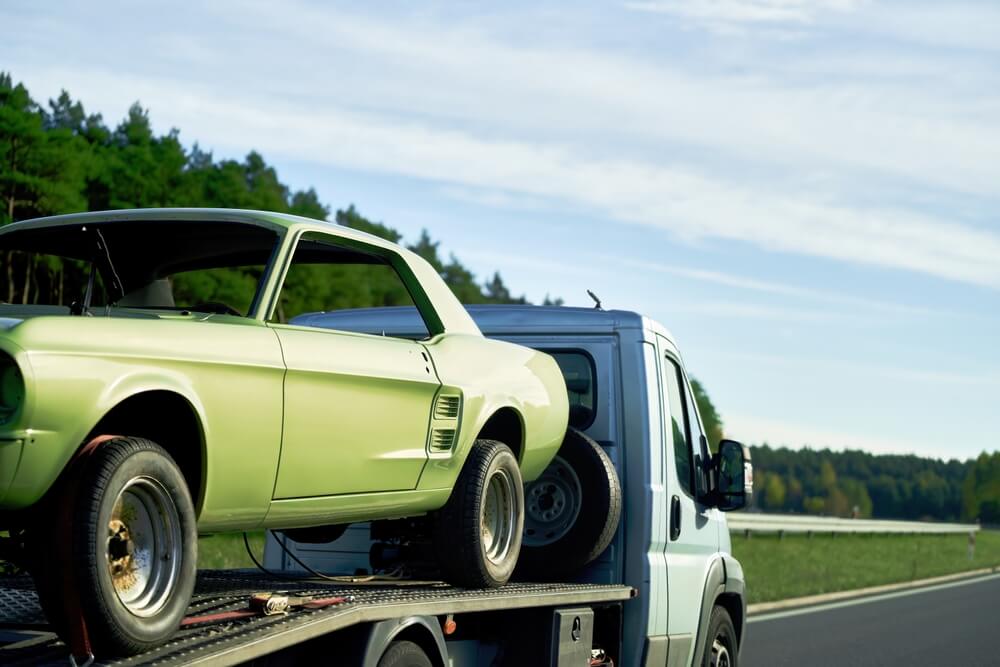
Classic car insurance policies can include agreed value coverage, where the agreed value is determined by the owner and insurer and locked in once the policy is in place. In the event of a covered total loss, policyholders are paid the full agreed-upon amount stated in the policy, minus any applicable deductible, without factoring in depreciation. These tailored policies offer tailored coverage for collector vehicles, including trucks, motorcycles, hot rods, and even your restorations, ensuring protection for your entire collection—not just a car. Companies in the market offer flexible mileage plans, options for spare parts coverage (available as an add-on for an additional premium), towing, and roadside assistance, so you can create a policy that fits your needs.
Quality service and protection are key features of a classic car insurance policy, designed to protect your investment and provide peace of mind. Insurance policies can provide liability, collision, comprehensive, uninsured/underinsured motorist, and medical coverages. The primary difference in a classic car insurance policy is the coverage it provides for your vehicle under collision and comprehensive coverages, often based on agreed value rather than market value. Classic car insurance is typically designed for vehicles driven on a limited basis, primarily for pleasure, with strict limits on usage—such as exhibitions, club activities, and car shows.
Joining a club can provide support and resources for protecting your vehicle. Protecting your classic car from theft is also important: use a car cover, GPS tracking device, steering wheel lock, alarm system, park in a well-lit area, and regularly check on your vehicle. Classic car insurance in California typically costs between $200 and $1,000 annually, and price can be influenced by factors such as miles driven, driving record, and the value of the vehicle. You can choose the deductible that works for you, with options ranging from $0 to $1,000.
For more information or to create a tailored policy, contact an agent or company. The market for classic car insurance in America includes many companies and insurers offering specialized coverage, but availability of coverage options may vary by state and insurer.
Why Standard Policies Don’t Fit the Classic Mold
One of the biggest reasons you need vintage car insurance instead of standard coverage is that your classic car is more than just a car—it’s a prized possession and investment that may gain in value, and classic car insurance can cover it for a specific agreed upon amount. Regular coverage is for vehicles that continuously depreciate.
Also, this specialized coverage can help pay for the cost of original parts and expensive repairs in an accident. Otherwise, repair and maintenance of an antique vehicle can be more prohibitively expensive with standard insurance. Keep in mind that in most cases, you can switch auto insurance in California at any time.
Your classic car policy may be cheaper than a regular one since most people do not use their timeless beauties for commuting from point A to point B, but rather for pleasure and special occasions, meaning it spends more time in the garage than on the road.
Get Affordable Classic Car Insurance in California
Now you know everything you need to know about classic car insurance. But do you know who offers the coverage you and your vintage ride deserve?
Here at Cost-U-Less Insurance, we love antique automobiles almost as much as our customers. Ready to work with a team that understands the value of a vintage vehicle? Call us at (800) 390-4071, contact us for more information or assistance with classic car insurance, or get a fast and free car insurance quote online. You can also find a Cost-U-Less office near you.
FAQs About Classic Car Insurance in California
When Does a Car Become a Classic in California?
In California, a car is generally considered a classic for insurance purposes when it is at least 25 years old. Additionally, it usually must be stored in a secure location, such as a locked garage, and driven on a limited basis primarily for pleasure, exhibitions, or club activities.
How Much Does Classic Car Insurance Cost in California?
Classic car insurance in California typically costs between $200 and $1,000 annually. The exact price depends on factors like the vehicle’s value, mileage limits, the insured’s driving record, and the specific coverage options chosen.
What Is the Difference Between Classic Car Insurance and Regular Car Insurance?
Classic car insurance is tailored specifically for vintage, antique, and collectible vehicles. It often includes agreed value coverage, which pays the insured the full agreed-upon amount in the event of a total loss, without depreciation. It also usually includes mileage limits and specialized coverage for spare parts, restoration, and limited use. Regular insurance covers daily-driven vehicles and generally uses actual cash value, which depreciates over time.
Do You Need Special Insurance for a Classic Car in California?
Yes, special classic car insurance is recommended because standard auto insurance may not adequately cover the unique needs of collector vehicles, such as agreed value coverage and protection for original parts. Many insurers also require classic cars to meet specific eligibility criteria to qualify for classic car coverage.
Can You Drive a Classic Car Daily and Still Get Classic Car Insurance?
Generally, classic car insurance policies require that the vehicle be driven on a limited basis, not as a daily driver. Most policies have mileage limits, typically between 1,000 and 7,500 miles per year, and restrict usage to pleasure driving, exhibitions, or club events. Using a classic car as a primary daily vehicle may disqualify it from classic car insurance.

