

Renting in California? Why Your Insurance Might Not Cover Water Damage

Renters insurance and water damage in California don’t always mix well. Water damage is one of the most common and most expensive problems that California renters face. Between aging apartment buildings, unexpected plumbing failures, coastal moisture, and extreme climate events, water-related losses can happen with little warning.
But renters insurance in California may or may not cover every type of water incident. This guide breaks down what renters need to know, how insurance providers treat water damage, what falls under landlord responsibility, and how to choose renters insurance in California that protects your belongings.
Does renters insurance cover water damage in California? Keep reading to find out the details and check with your neighborhood Cost-U-Less agent to ask questions.
Understanding Renters Insurance in California
Renters insurance is designed to protect your belongings and financial security when you live in a leased property. While policies vary, most renters insurance coverage areas include three core protections:
- Personal property insurance to repair or replace your belongings
- Tenants liability insurance to cover accidental damage you cause or legal claims against you
- Loss of use coverage if you need temporary housing during repairs
These protections provide peace of mind, but they aren’t unlimited. Water damage is one area where misunderstandings are common — especially in California, where severe weather, storm runoff, drought-related pipe failures, and coastal flooding occur more frequently.
Many renters only compare rates when searching for renters insurance quotes, but price alone can leave major coverage gaps. Understanding what your renters policy does and doesn’t cover matters just as much as finding affordable renters insurance.
Water Damage Responsibilities: Tenant vs. Landlord
Water damage liability often comes down to who caused the damage and how it occurred. Both landlords and tenants have legal obligations under California tenant rights, and understanding exactly how renters insurance and water damage in California work can prevent costly disputes.
When Tenants Are Held Responsible
A tenant’s liability insurance is more likely to be necessary for water damage if:
- They accidentally overflow a tub, sink, or washing machine.
- A pet damages plumbing or fixtures.
- They ignore a leak or drip and fail to report it promptly.
- They misuse appliances or equipment.
- They cause property damage through negligence.
In these cases, renters insurance may cover your personal belongings and some liability costs — but only for specific types of water damage.
Landlord Obligations and Legal Requirements
Under California law, landlords must maintain:
- Structural integrity of the building
- Safe and functioning plumbing
- Weather-proofed walls, windows, and roofs
- Working drainage and sewage systems
If water damage occurs due to poor maintenance, defective plumbing, roof leaks, or building issues, the landlord must repair the structure. However, their insurance will not cover your belongings, and many landlords have renters insurance requirements. That’s why having solid apartment insurance California policies in place is essential.
The Different Types of Water Damage
Not all water damage is treated equally, which is why claims may be denied even when renters believe they should be covered. Here’s how most providers categorize the types.
Sudden and Accidental Water Damage
This is the category most commonly covered by renters insurance benefits.
Examples of when renters insurance can cover water damage in California most often include:
- Burst pipes
- Water heater explosions
- Sudden washing machine hose failure
- A sprinkler system malfunction
- HVAC system leaks that occur unexpectedly
If the damage is “sudden and accidental,” both your personal property and temporary housing costs may be covered. Renters are often surprised at what renters insurance covers in California.
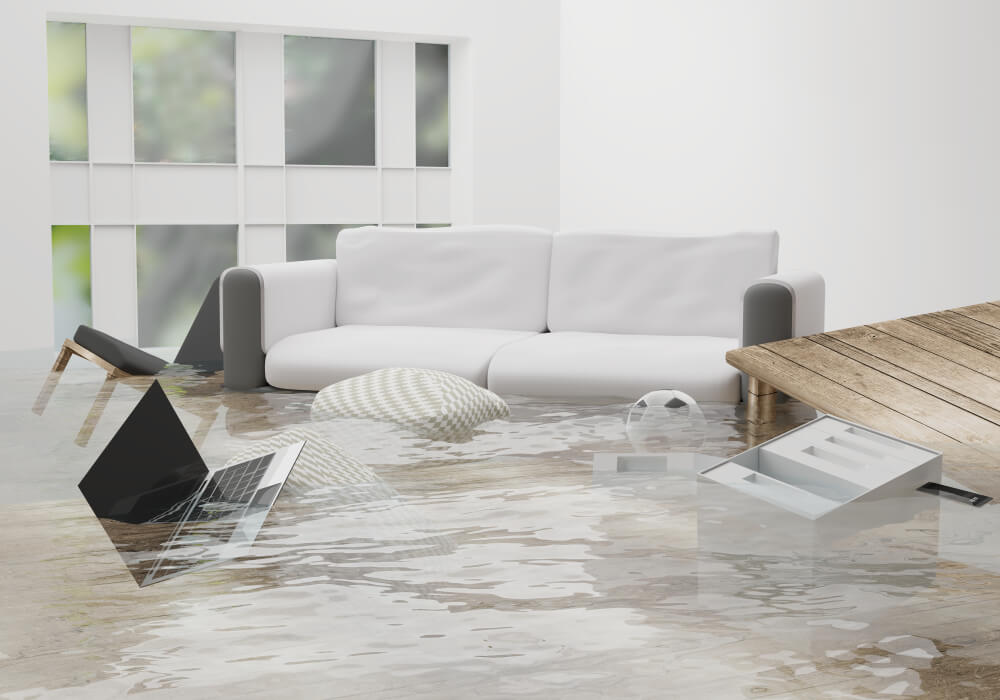
Flood Damage and Why It’s Not Covered
Standard renters insurance does not cover flood water that enters from outside the building, such as:
- Storm surge
- Heavy rain runoff
- Flash flooding
- Coastal flooding
- River, lake, or creek overflow
Why? Flood water is considered a separate high-risk category. Renters must purchase flood insurance options through FEMA’s National Flood Insurance Program (NFIP) or private carriers to be protected.
With climate-driven flooding increasing in California, natural disaster coverage is a crucial step that renters often overlook.
Sewer Backup and Groundwater Damage
Two categories are almost always excluded unless you purchase optional add-ons:
- Sewer or drain backup
- Groundwater seepage (water entering through floors or walls)
Both can cause massive damage, but most standard policies will deny claims unless you pay for water backup coverage or enhanced endorsements. This may be unfamiliar if you’re used to dealing with home insurance, so ask your Cost-U-Less agent to explain the differences of home insurance vs. renters insurance.
Why Your Renters Insurance Might Not Cover Water Damage
Even when renters expect coverage, claims may be denied for reasons such as:
- The Damage Was Preventable: If the insurer determines the leak existed for weeks and was ignored, they may deny the claim due to negligence.
- The Source Was Excluded in the Policy: Flooding, groundwater, and sewage-related damage are all common exclusions.
- The Cause Was Wear and Tear: If aging plumbing slowly deteriorates, most policies classify it as maintenance, not sudden damage.
- The Damage Was to the Building, Not Your Belongings: Renters insurance covers personal property, not structural repairs.
- You Didn’t Have Optional Endorsements: Water backup protection, flood insurance, and high-value coverage offer additional water leak protection but must be added separately.
Navigating the Claims Process
If you experience water damage, acting quickly improves your chances of a successful claim.
Step 1 – Document Everything
Take photos and videos of the source of water, damaged belongings, and impacted rooms or flooring.
Step 2 – Stop Further Damage
Shut off the water sources, move your belongings, and dry the area if it’s safe to do so.
Step 3 – Contact Your Landlord
California law requires landlords to address building-related water issues promptly.
Step 4 – File the Insurance Claim
Provide a detailed list of damaged items, receipts or estimated value, and documentation of the event.
Step 5 – Meet With the Adjustor
Make an appointment for an insurance adjuster to inspect the damage and determine eligibility.
Step 6 – Review the Settlement
Make sure the payout accurately reflects your coverage limits and deductible.
Having clarity on the water damage claim process helps renters avoid costly mistakes and delays.
How to Protect Yourself as a Renter
Here are smart steps California renters can take to minimize risk:
- Read Your Policy Carefully: Know what’s covered — and what isn’t.
- Add Optional Water Damage Endorsements: Consider water backup coverage, flood insurance or replacement cost coverage instead of actual cash value.
- Maintain Appliances You Own: Clean filters, replace hoses regularly, and avoid overloading washing machines.
- Report Leaks Immediately: Under California law, tenants need to notify landlords of maintenance issues promptly.
- Create a Digital Home Inventory: Apps and cloud storage make it easy to track item values.
- Compare Renters Insurance Providers: A renters insurance comparison helps you find a balance between coverage and affordability.
Choosing the Right Renters Insurance Provider in California
The right insurance company should offer:
- Clear explanations of renters insurance coverage
- Optional water damage add-ons
- Affordable rates
- Easy online policy management
- Fast claims processing
Cost-U-Less Insurance provides affordable renters insurance with customizable coverage, making it easier to protect your belongings before water damage strikes.
Get Affordable Renters Insurance That Covers More
Water damage can be financially devastating — and the worst time to discover coverage gaps is after something goes wrong. Whether you live in a coastal community, a downtown apartment, or an older building with aging plumbing, having the right insurance is essential.
Get protected today with Cost-U-Less Insurance. Compare renters insurance quotes now and find a policy that fits your budget and your peace of mind. You can start by reaching out at (800) 390-4071 or getting a quote online. You can also visit a nearby office for in-person assistance.
FAQs
Can Renters Insurance Cover My Hotel Stays During Repairs?
Yes. If your rental becomes uninhabitable due to a covered incident, loss-of-use coverage may pay for temporary housing.
Will My Landlord’s Insurance Cover My Belongings?
No. Landlord insurance covers the building, not your personal property. Renters need their own policy.
How Much Does Renters Insurance Cost in California?
Most renters pay between $15 and $30 per month, depending on coverage limits, location, and optional water damage endorsements.

