

Can a Salvage Car Be Insured in California?

If you’re shopping for salvage title insurance California, it can definitely feel a little intense. Not every insurance company will cover salvage or rebuilt vehicles, so the first step is high-risk auto insuran figuring out who actually offers this type of policy. You need to find a car insurance company that provides access to the necessary liability and other coverage options required by California regulations. And you usually can’t insure a salvage title car right away—you’ll need to repair it, pass the required inspections, and get a rebuilt (revived salvage) title first.
Once your car has a rebuilt title, most insurers will offer liability insurance for salvage cars and rebuilt title insurance California, but full coverage options like comprehensive and collision can be harder to find. Most insurance companies will only provide liability coverage, as full coverage may be more difficult to obtain for these types of motor vehicles.
Contact Cost-U-Less today to compare California car insurance options and find a policy that fits your needs and budget.
A Salvage Car Has Been Totaled
In California, a car is considered a total loss (or “totaled”) when repair costs are equal to or higher than the vehicle’s actual cash value (ACV). Insurers compare the repair estimate to the car’s value—including parts, labor, towing, storage, and any additional damage—to decide if it meets the total loss threshold.
Once it does, the insurer declares the vehicle totaled, notifies the California DMV, and a salvage certificate is issued as part of the California DMV salvage title process.
Common reasons a car gets a salvage certificate include:
- Serious collision damage to the frame or structure
- Flood damage affecting electrical and mechanical parts
- Fire damage to critical components
- Major vandalism needing extensive repairs
- Theft recovery with heavy damage or missing parts
Once a car has a salvage certificate, it can’t be legally driven, registered, or insured for normal road use until it’s fully repaired and reclassified as a revived salvage vehicle through the California DMV process.
You must tell your insurance company if the car has a salvage title when you seek coverage. Not disclosing this could lead to your policy being canceled or claims denied.
So Why Would Anyone Even Want a Salvage Car?
Even with these limitations, salvage cars can be attractive. Used car prices in California have gone way up recently, often topping $30,000 because of supply shortages. That makes salvage vehicles a more affordable choice.
Salvage cars can cost 40-70% less than similar clean-title cars, which can mean big savings. But remember, there might be hidden repair problems, like frame damage, electrical issues from flooding, or repairs that aren’t fully done and show up later.
Typical buyers of salvage cars include:
- DIY mechanics who have the skills and tools to fix cars themselves
- Car enthusiasts working on custom builds or restorations
- Small used-car dealers who rebuild and resell salvage vehicles
- Budget-conscious drivers willing to accept some risk for a lower price
Keep in mind, a salvage car can’t be legally driven or insured until it’s repaired, inspected, and reclassified as a revived salvage vehicle.

Why Would I Want Car Insurance on My Salvage Ride Anyway?
If your salvage vehicle has been repaired and reclassified with a revived salvage title, California law requires you to carry liability insurance to drive it legally. Liability coverage helps protect you if you cause injuries or property damage to others, and many insurers may offer coverage once the title is revived—though it’s often limited to liability and other state-required protections like uninsured motorist coverage.
Comprehensive and collision coverage can be harder to get because rebuilt vehicles are seen as higher risk due to possible hidden damage, unclear repair history, or non-original parts. Since collision vs comprehensive car insurance in California can affect what’s covered and how much you pay, it’s important to understand the difference when shopping for a policy on a revived salvage vehicle.
Premiums may be up to 20% higher than standard policies, and some companies may require proof of repairs (like photos, invoices, or a mechanic’s statement) or limit payouts and charge extra fees.
Shopping around and working with agencies that specialize in high-risk auto insurance in California can help you find the best coverage for your situation.
Tips for Buying a Salvage Car
Buying a salvage title car in California can be a smart way to save money, but it’s important to be careful and prepared. Since a salvage vehicle has been declared a total loss by an insurance company, its actual cash value is usually much lower than a similar car with a clean title. Here are some key tips to help you make a confident and informed choice:
- Verify the Vehicle’s History: Always start by getting a comprehensive vehicle history report. This will show why the car got a salvage title, how bad the damage was, and any previous repairs. Knowing the full story behind the salvage certificate can help you avoid surprises later.
- Get a Professional Inspection: Before buying a salvage vehicle, have it carefully checked by a certified mechanic. A detailed inspection can find hidden problems—like frame damage or electrical faults—that may not be obvious at first. This step is crucial for estimating repair costs and making sure the car can be safely rebuilt.
- Check the Salvage Certificate: Make sure the salvage certificate is real and issued by the California DMV or the right local authority. This document confirms the car was declared a total loss and gives details about the damage.
- Understand Insurance Options: Most insurance companies offer limited coverage for salvage title cars, and you may only qualify for liability insurance. If you want comprehensive or collision coverage, research which insurance companies—like Liberty Mutual—are willing to insure rebuilt title vehicles, and be ready for higher insurance premiums.
- Calculate Repair Costs: Get a detailed repair estimate from a trusted mechanic. Include the cost of parts, labor, and any inspections required. Make sure the total investment—including the purchase price and repairs—makes sense compared to the car’s expected value after it’s rebuilt.
- Know DMV Requirements: Each local DMV has specific steps for registering a salvage vehicle and getting a rebuilt title. This usually means passing inspections, providing a certified mechanic’s statement, and submitting all needed paperwork. Learn these requirements before you buy.
- Be Aware of Hidden Risks: Salvage title vehicles can have problems that aren’t easy to see, like structural weaknesses or lingering electrical faults. These issues can lead to higher maintenance costs and might affect your chances of getting full insurance coverage.
- Negotiate the Price: Use the salvage title status, repair needs, and insurance limits to negotiate the price. Remember, the car’s actual cash value is much lower than a clean-title vehicle, so don’t pay too much.
- Consult a Professional: If you’re unsure about any part of the process, ask a mechanic, insurance agent, or lawyer for advice. Their expertise can help you avoid costly mistakes and make sure you meet all legal and insurance rules.
- Compare Insurance Quotes: Before you buy, get car insurance quotes from companies that cover rebuilt title vehicles. Compare liability, comprehensive, and collision coverage to find the best fit for your needs and budget.
By following these tips, you can reduce risks and make a smart investment when buying a salvage title car. Always put safety first, understand the insurance and DMV rules, and make sure the total cost—including repairs and insurance—fits your budget.
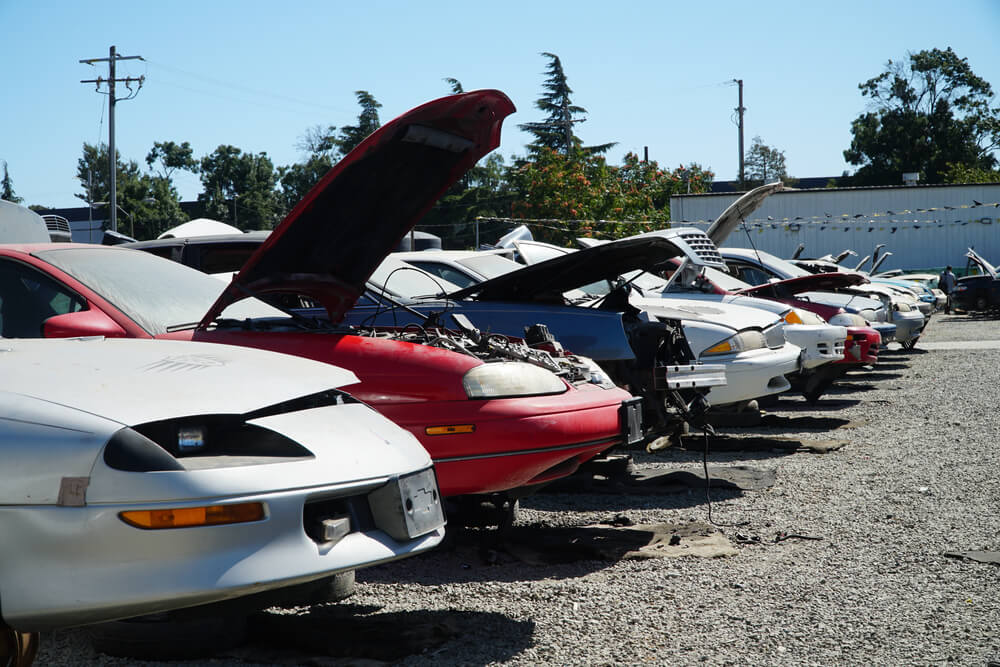
What’s a Revived Title?
A revived salvage title (called a rebuilt title in some states) means a previously salvage vehicle has been fixed, passed all required inspections, and is now legal to drive and insure in California. To get a rebuilt title, you must finish all repairs and inspections before applying.
The California DMV salvage title process includes these steps:
- Repair the Damage: Fix everything to make the car safe to drive. Keep detailed records and receipts of all repairs, as you’ll need to show them to your local DMV when applying for a rebuilt title. Some states require salvage car rebuilders to be licensed, and you may need to document your work with photos and receipts.
- Brake and Lamp Inspection: Get a certificate from an approved station showing brakes and lights meet safety rules.
- CHP Inspection: The California Highway Patrol checks the vehicle to verify the VIN, look for stolen parts, check the frame and structure, and confirm airbags work.
- VIN Verification: Confirms the vehicle’s identity matches the salvage certificate and no illegal parts swaps happened.
- DMV Revived Title Application: Submit all required documents—salvage certificate, inspection certificates, repair invoices, and application forms—to the DMV.
Common reasons cars fail inspection include missing or broken airbags, frame damage, mismatched or poorly installed body panels, altered VIN plates, faulty electrical systems, and unresolved safety warnings.
Remember, a vehicle with a revived salvage title will always have a permanent salvage brand in its history, even after being fixed. This affects resale value, insurance costs, and how buyers see the car. Starting in 2026, California requires a Vehicle Safety Systems Inspection (VSSI) for all revived salvage vehicles to make sure safety parts work properly.
Is Getting a Revived Title for a Salvage Car Worth the Effort?
Whether to rebuild a salvage car and get a revived title depends on your repair costs, potential resale value, and your skills or budget. Insurance companies may offer limited coverage options for cars with a rebuilt title, often only liability insurance.
If a revived salvage vehicle is totaled again, insurance companies usually pay only 20% to 50% less than they would for a clean-title equivalent. Also, rebuilt and salvage title vehicles often have lower resale value and can face challenges with future insurability and reliability.
Mini Cost Breakdown:
| Expense Category | Typical Range |
| Salvage vehicle purchase | 20-50% of clean-title value |
| Parts and labor | $5,000-$15,000+ for moderate damage |
| Brake and lamp inspection | $30-50 |
| CHP inspection fee | $50-100 |
| DMV title and registration fees | $46-100 |
| Smog certification (if needed) | $50-100 |
| Post-revival insurance surcharges | $500-1,500+ annually |
When It Makes Sense to Rebuild
Rebuilding may be a smart move if you check off most of the boxes below:
- Damage is mostly cosmetic, with little or no frame or structural damage
- Parts are easy to find and affordable
- Repair costs are much less than what the car will be worth after revival
- You have the time, skills, or budget to handle the rebuild
Before you invest, get insurance quotes for the revived vehicle so you know what ongoing costs to expect. Working with a specialist in high-risk auto insurance in California can help you understand your coverage options and premiums. Also, be sure to keep continuous coverage to avoid gaps; read more about car insurance lapse in California and how it can affect your policy.
Get Affordable Insurance for Your Rebuilt or Salvage-Title Vehicle Today
Finding the right insurance for a revived salvage vehicle doesn’t have to be difficult. Some carriers specialize in non-standard and high-risk policies, so you can get the protection you need at fair prices.
At Cost-U-Less Insurance, we make it easy to find coverage for revived salvage vehicles with trusted carriers and competitive rates.
We look forward to insuring your revived title automobile. Just contact an independent insurance agent at Cost-U-Less to discuss your auto insurance needs. Call (800) 390-4071 or request a quick online car insurance quote. You can also find a California location near you.
FAQs
Do I Need a CHP Inspection Before Getting Insurance?
Yes, in California, you must pass a CHP (California Highway Patrol) inspection before insuring a salvage or rebuilt title vehicle. This inspection checks safety standards, the VIN, and structural integrity. Without passing it and getting a rebuilt title, you cannot legally insure or drive the vehicle.
Can I Finance a Car with a Salvage or Rebuilt Title?
Financing a car with a salvage or rebuilt title can be tough because many lenders hesitate due to higher risk and lower resale value. Some lenders may ask for a bigger down payment or charge higher interest rates if they do finance these vehicles. It’s best to shop around and talk to lenders experienced in salvage and rebuilt title financing.
Can I Get Full Coverage on a Salvage or Rebuilt Car in California?
Some insurance companies may offer comprehensive and collision coverage for rebuilt title cars, but it’s often limited and comes with higher premiums. Many insurers restrict full coverage because of the increased risk and possible hidden damages in salvage vehicles. It’s important to shop around and provide detailed repair documents to improve your chances of getting full coverage.