
Buying a Car with a Salvage Title in California: What You Need to Know

Buying a used car in California can be expensive, so a salvage title car with a much lower price can look like a great deal. Sometimes, it is. Other times, the “deal” comes with hidden repair costs, insurance problems, registration delays, and lower resale value.
A salvage title car can save you money upfront, but it is not a simple used-car purchase. Before buying one, you need to understand what the title means, what California requires, and how the vehicle’s history can affect your insurance.
What Does a Salvage Title Mean?
A salvage title usually means the vehicle was damaged badly enough that an insurance company declared it a total loss. In California, salvage is one type of branded title, and the state also uses classifications such as rebuilt, revived, and junk vehicle that can affect registration and insurance. This can happen after a crash, flood, fire, theft recovery, vandalism, or another major loss.
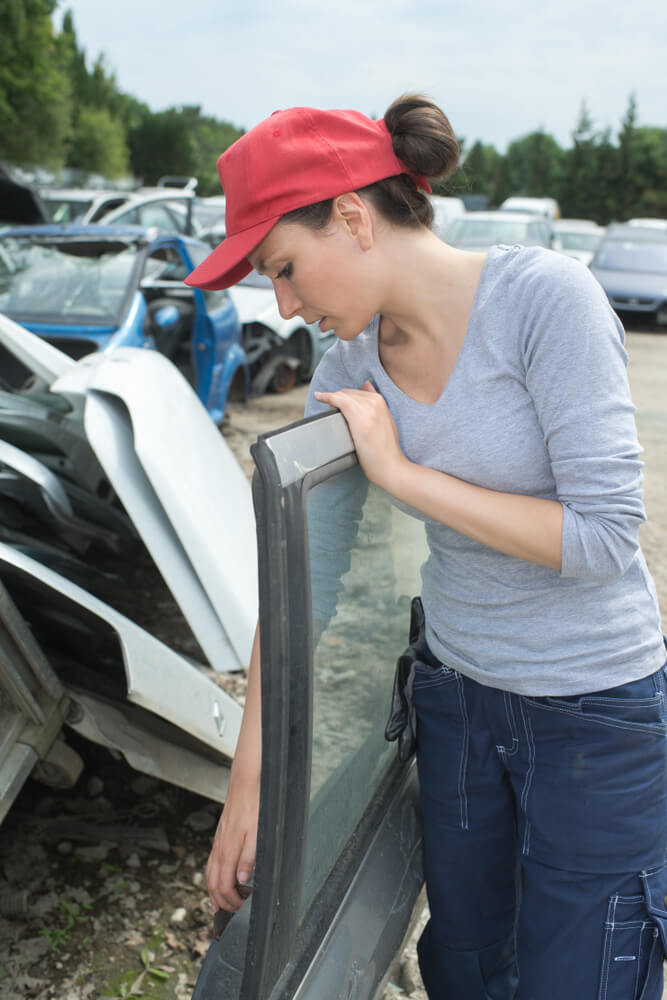
A car may look repaired and still have serious issues underneath. A junk vehicle is generally considered too expensive to repair after an accident and is usually not eligible for registration. Frame damage, electrical problems, airbag issues, water damage, or poor repair work may not be obvious during a short test drive.
A salvage title is a warning that the vehicle has a major damage history. It does not always mean the car is unsafe forever, but it does mean you should investigate carefully before buying, because even after repairs and a new title as rebuilt or revived, the title will still show the prior salvage history.
Salvage Title vs. Revived Salvage Title
Many people say “rebuilt title,” but in California, the common DMV term is revived salvage.
A salvage title means the vehicle was declared a total loss and has not fully completed the process to return legally to the road. A revived salvage vehicle must be fully repaired and pass a CHP salvage inspection before the process is complete and it can be re-registered.
The difference matters because a salvage title car may still need repairs, inspections, and DMV paperwork. Before buying, check the official California DMV revived salvage vehicle requirements so you know what steps may still be required.
Why Are Salvage Cars Cheaper?
Salvage cars cost less because they carry more risk. The original damage may have been repaired well, or it may have been repaired poorly. Some problems only appear after you start driving the car regularly.
Before buying, ask:
- How serious was the damage?
- Are repair records available?
- Has the vehicle been inspected?
- Can it be insured?
- Will it be hard to sell later?
The real question is not just “How cheap is this car?” It is “How much will it cost after repairs, registration, insurance, and the vehicle’s post-repair value when you compare the deal against its actual cash value?” Even rebuilt vehicles typically appraise 20–40% below clean-title cars, which affects resale and future insurance payouts.
When Buying One Might Make Sense
A salvage title car may be worth considering if the damage was mostly cosmetic damage, the repairs are documented, and a trusted mechanic confirms the car is safe, especially when repair costs still exceed the vehicle’s value.
It can also make sense for buyers who understand auto repairs, have access to affordable parts, or plan to keep the vehicle for several years. Some people buy salvage cars for parts instead of daily driving. That same logic can apply to other motor vehicles, such as a truck, not just passenger cars.
But if you need easy financing, standard full coverage insurance, and a dependable daily driver with fewer surprises, a clean-title vehicle may be safer.
A salvage car is usually better for an informed buyer, not someone who needs a quick, low-risk purchase.
Main Risks of Buying a Salvage Vehicle
The biggest risk is hidden damage. A car can be repainted and cleaned up while still having structural damage, electrical issues, water damage, uneven tire wear, or safety system problems.
Safety is another concern. Modern vehicles depend on airbags, sensors, cameras, braking systems, and frame design. If those systems were not repaired correctly, the car may not protect you properly in another accident.
There are also financial risks. Salvage and revived salvage vehicles usually have lower resale value. Many buyers avoid them, and dealerships may offer less for trade-in. Even after repairs are completed, many buyers and lenders remain skeptical.
A salvage title vehicle can also face limited and complicated insurance options because it was written off as a total loss. Most insurance companies hesitate to cover salvage vehicles because of the risk of hidden damage. Some companies may only offer liability coverage. Some insurers may also require a mechanic’s inspection, photos, or a value appraisal before offering coverage.
Before buying, assume the vehicle may be harder to insure, finance, and resell than a clean-title car.
How to Register a Salvage Vehicle in California
If the vehicle has not already been revived, it must go through California’s process before it can legally return to public roads.
The car usually needs to be fully repaired before the process can be completed. Keep all parts receipts and repair records organized, because California may ask for proof of ownership and parts origin for the CHP review and future inspections.
After repairs, the vehicle may need DMV paperwork, vehicle verification, VIN verification, brake and light inspection certificates, a smog check, a California Highway Patrol salvage inspection, and other required paperwork depending on its condition and history.
California also requires timely filing of the salvage certificate after a total-loss settlement, and the inspection program for repaired vehicles was strengthened under AB 471. After the vehicle can pass inspection, the stamped documents go back to the california department of motor vehicles with the required forms and fees to obtain the rebuilt or revived paperwork and complete registration.
Clearing a salvage title in California often costs about $500 to $1,500 before repair expenses.
Do not buy an unrepaired salvage vehicle unless you understand the DMV process and the costs involved. The official California DMV revived salvage registration requirements can help you confirm what may be needed.
What Documents Should You Ask For?
Ask for the salvage title or title certificate, repair records, receipts for major parts, proof the repaired vehicle passed all required inspections, and a vehicle history report. Before inspections can proceed, the vehicle owner should also have proof of ownership and records showing the origin of replacement parts.
If the car has already been revived, ask for proof of current registration and title status. If you’re buying from a private seller, make sure the seller provides complete documentation of the car’s history and repairs. Also compare the vehicle identification number on the car with the paperwork and confirm the current owner can show proof of ownership.
Missing paperwork is a major red flag. It can make registration harder, reduce resale value, and create problems when shopping for insurance.
Can You Get Insurance on a Salvage Title Car?
Insurance for salvage title cars is limited and depends on the title status.
A vehicle with an active salvage title usually cannot be insured for normal road use because it has not been approved for regular driving. In most cases, the car must first be repaired, inspected, and registered again as a revived salvage vehicle.
Once the vehicle has revived salvage status, insurance becomes more realistic. Many insurance companies in California are still reluctant to insure these vehicles and often stop at liability-only coverage once the car is road-legal. However, not every insurer will treat the car the same way.
Many companies may be more comfortable offering liability coverage than full coverage. Liability helps pay for damage or injuries you cause to others, but it does not pay to repair your own car after an accident.
Full coverage can be harder because comprehensive and collision coverage depend on the car’s value and condition. A revived salvage vehicle can be difficult to evaluate.
Because coverage can vary, it is smart to understand whether a salvage car can be insured in California before buying one.
Can You Get Full Coverage on a Revived Salvage Car?
Sometimes, but do not assume it.
Some insurers may consider comprehensive and collision coverage after reviewing photos, repair records, inspection documents, or the vehicle’s condition. Others may only offer liability coverage or decline the vehicle completely.
If full coverage matters to you, check insurance options before buying the car. Before making a final decision, compare California car insurance quotes online so you know what coverage may be available.
Financing and Resale Value
Financing a salvage car can be harder than financing a clean-title vehicle. Many lenders prefer cars that are easier to value and resell.
A salvage title creates more risk because the car may have hidden damage, lower market value, limited insurance options, and weaker resale demand. Many future buyers and lenders also look closely at the previous owner history and documented repairs when evaluating the vehicle. Some buyers use cash, personal loans, credit unions, or specialty lenders, but the terms may not be as favorable.
A salvage history also stays with the car. Even after repairs and registration, any rebuilt or revived title transfer still carries the salvage brand forward on the title, so future buyers can still see that it was once declared a total loss.
You may save money when you buy the car, but you may also get less money when you sell it.
Maintenance Matters More With Salvage Cars
Every used car needs maintenance, but salvage and revived salvage vehicles deserve extra attention. Previous damage can make a car more sensitive to heat, worn parts, electrical issues, cooling problems, or poor earlier repairs.
This matters in California, where hot weather can be tough on batteries, tires, fluids, cooling systems, and air conditioning. Before buying, ask a mechanic to inspect the brake system, tires, suspension, frame condition, warning lights, airbags, cooling system, and electrical systems.
Because heat can make existing problems worse, these car maintenance tips to beat the California heat can help after buying any used vehicle.
How to Avoid a Bad Salvage Car Deal
Do not let a low price rush you. Start with a vehicle history report, but do not rely on it alone. Reports can miss details, especially if repairs were done privately.
Get the car inspected by a mechanic who understands collision damage. The inspection should look for frame damage, water damage, airbag issues, warning lights, poor welds, uneven tire wear, and signs that safety systems were not restored correctly.
Be careful with sellers who say “easy fix,” “just needs registration,” or “DMV paperwork is simple.” Maybe they are right, but if it were truly simple, they may have already completed the process.
A good salvage deal should come with clear paperwork, honest answers, and a clean inspection from someone you trust.
Should You Buy a Salvage Title Car in California?
A salvage title car can be worth it, but it is not a purchase to make quickly.
It may be a good fit if you understand the risks, have the car professionally inspected, confirm the title status, review repair records, and check insurance options before buying.
It may not be a good fit if you want easy financing, strong resale value, standard full coverage insurance, and a simple used-car purchase.
The smartest move is to look at the total cost, not just the sale price. Add up repairs, inspections, DMV fees, insurance, financing, maintenance, and resale value. That full picture will tell you whether the deal is actually worth it.
Find Insurance Options for Your Revived Salvage Vehicle
Buying a salvage or revived salvage vehicle can help you save money, but only if you understand what comes next. Once the car has been repaired, inspected, and legally registered, the next step is finding coverage that fits your situation.
Cost-U-Less Insurance helps California drivers compare affordable auto insurance options, including coverage possibilities for many drivers with unique vehicle or title situations. You can compare California car insurance quotes online or call Cost-U-Less at 800-390-4071 to speak with an agent. Don’t forget that you can also find a nearby office and visit us in person.
Frequently Asked Questions
What is the difference between a salvage title and a revived salvage title in California?
A salvage title means the vehicle was declared a total loss and has not completed the process to return legally to the road, while a revived salvage title is a different branded title status in California for a vehicle that has been repaired, inspected, and approved for registration again, even though its prior salvage history remains on record.
The car may be legal to drive once revived, but the salvage history stays on record.
Can you get full coverage on a salvage title car in California?
You generally should not expect full coverage on a vehicle with an active salvage title because it has not been approved for normal road use. Once the vehicle becomes revived salvage, some insurers may consider additional coverage.
Even then, full coverage is not guaranteed. Some companies may only offer liability coverage or require inspection documents before deciding.
How do you get a salvage vehicle back on the road in California?
The vehicle must be fully repaired before it can pass inspection and be re-registered through the California revived salvage registration process. This may include DMV paperwork, vehicle identification verification, safety inspections, proof of ownership, repair documentation, and fees, and the process may require that the total loss was reported by the owner or insurance company; if fees or paperwork apply differently, they can also depend on the vehicle type.
Requirements can vary, so always check the California DMV before buying the car or starting repairs. Trucks or certain vehicles may also need a weight certificate during registration.
Is buying a salvage title car worth it?
It can be worth it for the right buyer only if the buyer confirms the seller completed the required process and the vehicle is not classified as non repairable, especially someone who understands repairs and checks the vehicle carefully before purchase. It is riskier for buyers who need a simple, dependable daily driver with easy financing and standard insurance options, since limited insurance and resale concerns make these cars a poor fit for buyers wanting a simple purchase.