

California Cities with the Highest and Lowest Car Insurance Rates

California is a place of contrast. One morning, you might be cruising along the coast with the ocean beside you, and later that same day, you could be inching through traffic on a crowded city freeway. Life feels different depending on where you live, and the same is true for car insurance. Many drivers are surprised to learn that the cost of coverage varies dramatically from one California city to another. A driver in a quiet Central Valley town may pay far less each year than someone navigating the busy streets of Los Angeles or San Francisco.
Recent studies show that the average auto insurance premium in California is slightly over $2,000 per year for full coverage. That number makes the state look average compared with the rest of the country, but it tells only part of the story. The real differences begin to appear when you zoom in on individual cities. Traffic patterns, local accident rates, repair costs, and even the weather can shift prices in meaningful ways.
This updated guide helps you understand how insurance companies view different areas, which cities consistently rank at the top or bottom for annual costs, and what you can do to find savings no matter where you live.
Understanding Car Insurance Rates in California
Understanding car insurance rates in California starts by recognizing which factors can make your coverage more expensive across the state. For example, high claims costs driven by medical care, repair prices, and legal expenses can play a major role; heavy traffic increases the likelihood of collisions, and severe weather events add additional risk for insurers.
Vehicle theft trends also influence pricing, and Proposition 103 regulations limit the factors that carriers are allowed to use when calculating rates. These statewide pressures shape the overall market.
Cities With the Highest Car Insurance Rates
Multiple industry studies, including reports from Bankrate, Insurify, and ValuePenguin, consistently list the same regions among California’s most expensive places for auto insurance.
These cities regularly rank at or near the top:
1. Los Angeles
LA drivers face heavy traffic, high accident frequency, and elevated claim severity. Studies consistently name Los Angeles as one of the most expensive cities for coverage in the state. Average annual premium: $2,950 to $3,400.
2. Oakland
Oakland drivers often see higher-than-average rates driven by theft trends and overall claim frequency. Average annual premium: $2,550 to $2,900.
3. Glendale
Glendale has appeared for years near the top of high-cost lists due to accident rates and litigation frequency. It remains one of the priciest regions for auto insurance in California. Average annual premium: $3,100 to $3,600.
4. San Francisco
Dense traffic, high repair costs, and elevated vehicle break-in rates push premiums upward in San Francisco. Average annual premium: $2,300 to $2,650.
5. Stockton
Stockton frequently appears on lists of expensive insurance cities due to accident patterns and urban density. Average annual premium: $2,200 to $2,500.
Because insurers cannot use credit scores in California, claim-related factors carry even more weight, which can push these metro areas higher in cost. If you live in a high-cost insurance city, check out how to get cheaper car insurance in California.
Cities With the Lowest Car Insurance Rates
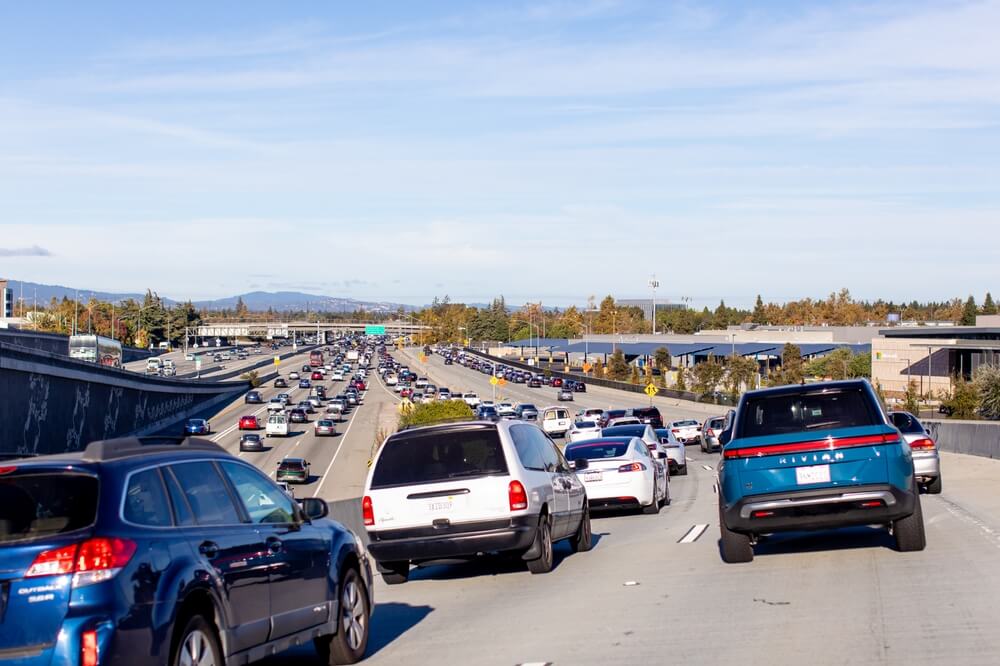
On the other end of the spectrum, several California cities consistently show lower-than-average auto insurance premiums in public industry analyses. These areas generally experience lower traffic density, fewer claims, and reduced theft activity, which helps keep rates manageable for drivers.
Here are several cities that consistently rank among the cheapest for auto insurance in California:
1. Bakersfield
Bakersfield remains one of the more affordable regions for drivers. Lower congestion and fewer high value theft claims help keep insurance costs below the statewide average. Average annual premium: $1,550 to $1,850.
2. Visalia
Visalia’s smaller population and lighter traffic contribute to lower claim volume. Drivers here often benefit from some of the more competitive rates in the Central Valley. Average annual premium: $1,450 to $1,750.
3. Fresno
Although Fresno is larger than other Central Valley cities, its insurance premiums stay relatively moderate compared with coastal metros. Fewer severe claims and more predictable traffic patterns help keep costs stable. Average annual premium: $1,500 to $1,900.
4. Roseville
Roseville regularly ranks among the least expensive cities for auto insurance in the Sacramento metro area. Lower theft rates and strong roadway infrastructure contribute to these savings. Average annual premium: $1,300 to $1,650.
These regions share a common theme: less congestion, fewer accidents, and lower repair costs: all contributing to more favorable premiums.
Strategies for Reducing Your Car Insurance Costs
Living in a high-cost California city can make car insurance feel overwhelming, but the good news is that drivers have more control than they might think. Every insurer evaluates risk differently, and even small changes in how you maintain your policy, your vehicle, or your driving habits can lead to meaningful savings over time.
1. Compare Rates Regularly
Insurance prices change often. Shopping around when your situation changes can lead to significant savings.
2. Use Available Discounts
You may qualify for savings such as:
- Multi-car
- Bundle auto/home
- Telematics or usage-based programs
- Anti-theft devices
- Good student (for young drivers)
3. Keep a Clean Driving Record
Traffic violations and accidents raise premiums. A defensive driving course may help lower points in some cases.
4. Adjust Your Coverage
Raising deductibles or reviewing optional coverage can reduce monthly payments but should be balanced with adequate protection.
5. Drive a Vehicle with Lower Insurance Risk
Cars with strong safety ratings and low repair costs are cheaper to insure.
By understanding what carriers reward, you can start lowering your monthly premiums without sacrificing the protection you need. These strategies can help you unlock better rates and discover the best car insurance discounts in California.
Compare and Contrast: Urban vs. Rural Areas
The differences between urban and rural driving environments are easy to understand. The state is geographically diverse, so the experience of driving in Los Angeles can feel completely different from driving in places like Redding. Those contrasts play a major role in how insurers determine risk and set premium levels.
Urban Areas (Los Angeles, San Francisco, Oakland):
- Higher accident frequency
- More claim severity
- Increased vehicle theft
- Longer daily mileage
- Higher labor and repair costs
Rural / Mid-Sized Cities (Redding, Santa Maria, Visalia):
- Less congestion
- Fewer accidents overall
- Lower claims volume
- Reduced theft risk
While every driver is unique, location remains one of the strongest predictors of insurance costs in the state. Wherever you are driving, make sure to drive safely; check these tips for driving in California.
Compare Car Insurance Rates in Your California City, Save Today!
Living in a high-cost city doesn’t mean you have to overpay. Cost-U-Less helps California drivers compare real quotes across multiple carriers to find better rates, even in higher-risk regions.
Start a free quick quote online, give us a call at 800-390-4071 or, visit an office close to you.
FAQs
How Does My ZIP Code Affect My Car Insurance Rates?
ZIP codes reflect traffic patterns, theft trends, repair costs, and accident frequency — all factors that influence premiums.
What Are the Advantages of Living in a City with Lower Insurance Rates?
Drivers typically enjoy lower premiums and more stable year-over-year pricing.
Are Any Discounts Available for Urban Drivers?
Yes! Safe driver, telematics, low-mileage, and multi-policy discounts are commonly available.
Can I Reduce My Rates if I Move to a New City in California?
Often, yes. A move from a high-cost metro area to a lower-risk region may result in reduced premiums.

